Architecting the Financial Engine for Nature-Based Assets.
A high-fidelity dMRV platform utilizing Edge-AI and Satellite Data Fusion to reduce carbon verification costs by 90% and unlock institutional capital for Southeast Asian ecosystems.
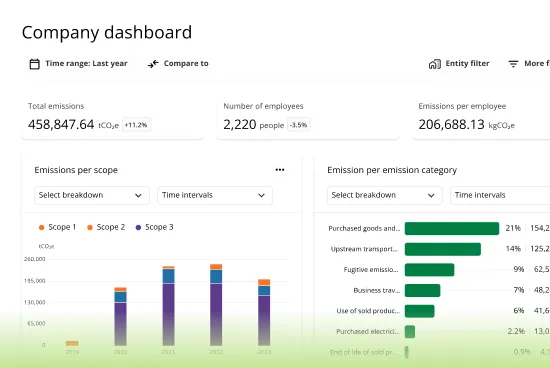


One platform to master your entire net-zero journey
Continuous Monitoring
Automate GHG flux measurement across mangroves and rice paddies using low-power IoT networks and local inference.
Learn more
Digital MRV (dMRV)
Replace manual plot sampling with satellite-verified below-ground carbon quantification, slashing verification from $5,000 to <$50/ha.
Learn more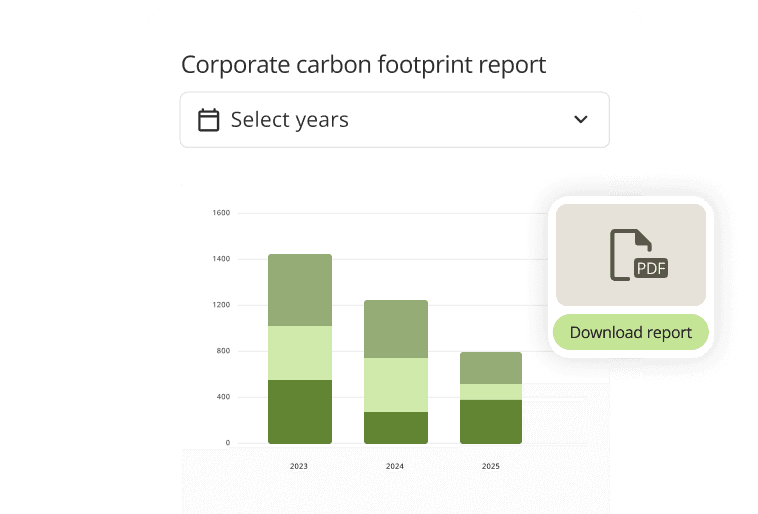
Bankability Intelligence
Real-time risk quantification and yield forecasting to bridge the bankability gap for institutional climate investors.
Learn more
Certified software that upholds the latest scientific standards


Solving the Market Failure of High Verification Costs
% Reduction in Operational Barriers via dMRV Automation
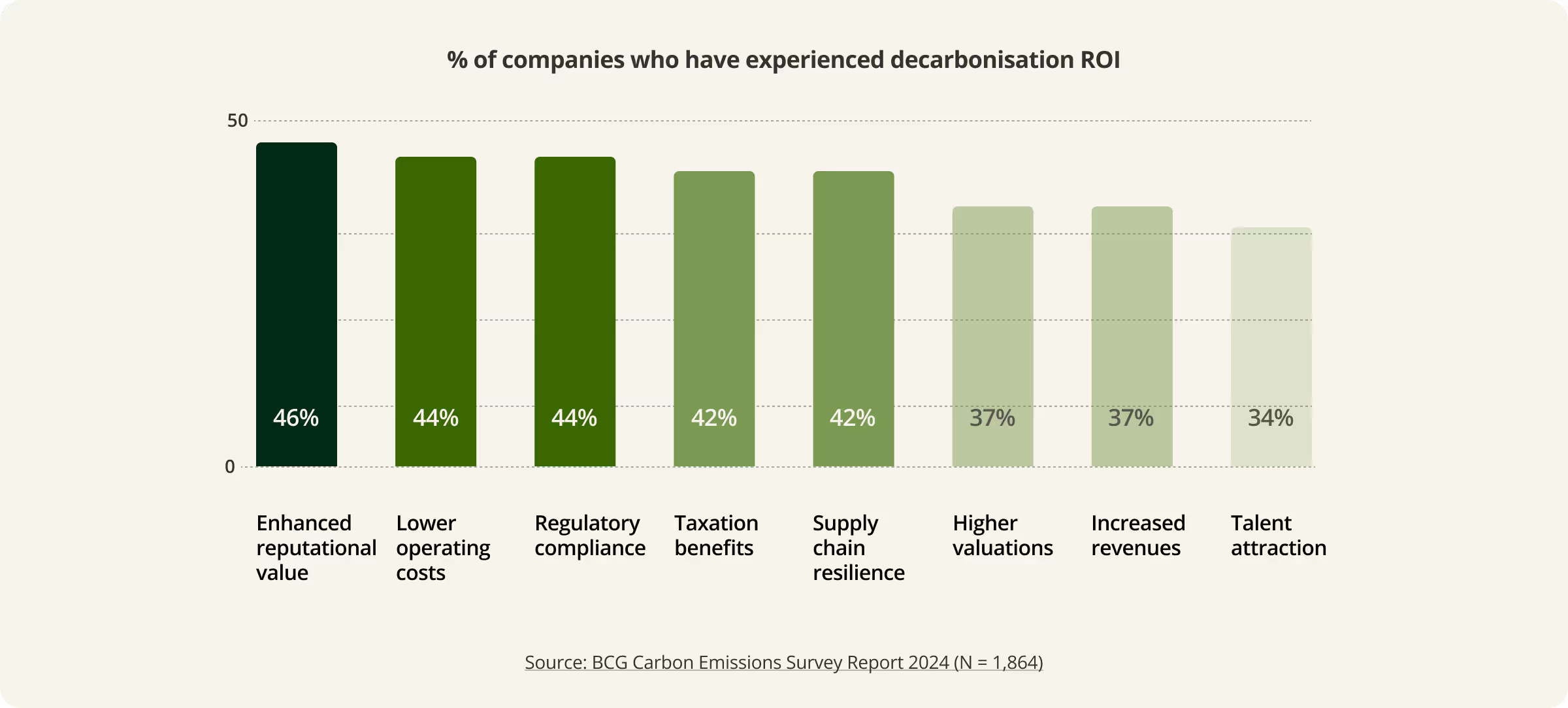
% of companies who have experienced decarbonisation ROI
MRV Cost Reduction
Data Acquisition Speed
Below-Ground Accuracy Gain
Bandwidth Efficiency (Edge-AI)
Unit Economic ROI
Source: BCG Carbon Emissions Survey Report 2024 (N = 1,864)
Faster processes, reliable results
Built for the Tropical Frontier. Our Federated Learning architecture ensures high-fidelity AI functionality on low-cost devices in connectivity-starved rural environments.
Gain a competitive advantage with measurable results
Future-proof your business with a net-zero strategy that reduces costs, mitigates risks, and builds trust.
Accelerate time-to-value
with Plan A
Reduce month-long data projects to a few weeks through our personalised services.
Leverage ready-to-use and certified calculation methods developed and maintained by our scientific experts.
Generate stakeholder-ready corporate carbon footprint reports with a click of a button.
Understand your position today: uncover opportunities by engaging your suppliers.

Decarbonisation-first
We put carbon reduction at the centre of your sustainability strategy.
Science-based solution
In-house scientists and experts align your decarbonisation plans with the latest standards.
Personalised services
Expert guidance tailored to your needs and AI-powered features to save time spent on tedious tasks.
Leading sustainability community
We unlock connections, expertise, and solutions to expand your impact.
Join the community of forward-thinking companies that work with us

Automated AWD irrigation monitoring for 10,000 hectares of low-carbon rice.

Scaling industrial carbon removal with real-time IoT verification.

Quantifying bankability signals for emerging climate instruments across Southeast Asia.
At the forefront of
science and compliance
To ensure your sustainability practices are both impactful and compliant, our software platform and services are developed in close collaboration with our Scientific Advisory Board.

CHAD FRISCHMANN
Founder, Regenerative Intelligence. Architect, "Project Drawdown" • Precision MRV • Blue Carbon Taxonomy • Bankability Standards • ASEAN Climate Finance

GONZALO MUÑOZ ABOGABIR
Chair, UN High Level Champions. Board Member, B Lab • Precision MRV • Blue Carbon Taxonomy • Bankability Standards • ASEAN Climate Finance

MICHAEL SHEREN
Former Senior Advisor for Sustainable Finance, Bank of England. Former Chair, G20. Fellow, Cambridge University • Precision MRV • Blue Carbon Taxonomy • Bankability Standards • ASEAN Climate Finance

MARTIN WAINSTEIN
Executive Director, Open Earth Foundation. Founder, Yale Open Lab • Precision MRV • Blue Carbon Taxonomy • Bankability Standards • ASEAN Climate Finance

DR KIRSTEN DUNLOP
Managing Director of Climate-KIC • Precision MRV • Blue Carbon Taxonomy • Bankability Standards • ASEAN Climate Finance

PROF. DR JÜRGEN P. KROPP
Deputy Head of the Climate Resilience Research Department, Potsdam Institute for Climate Impact Research (PIK) • Precision MRV • Blue Carbon Taxonomy • Bankability Standards • ASEAN Climate Finance